Blog Details
Panorama Rendering 360°: A Practical Guide to Immersive 3D Visualization
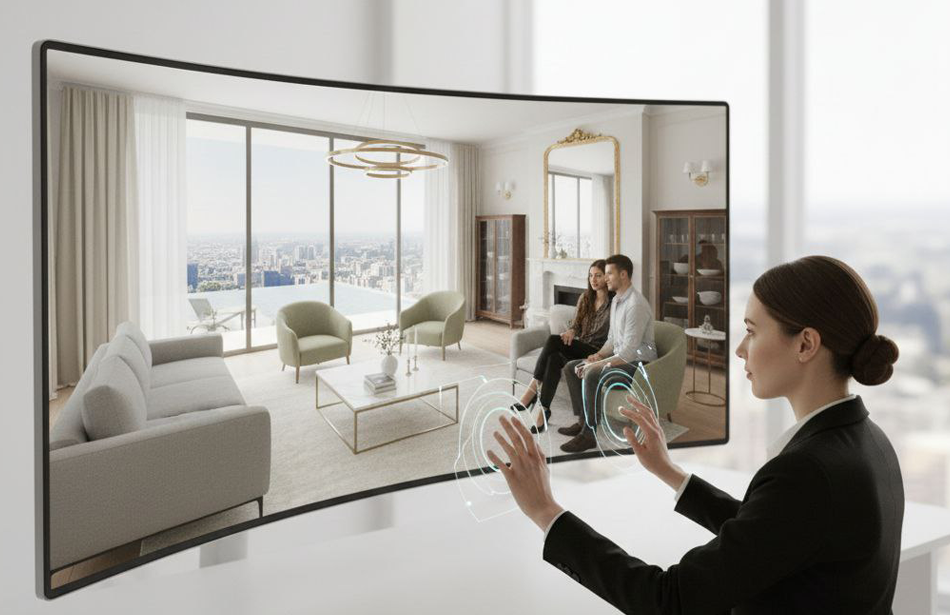
Panorama Rendering 360° provides an immersive way to experience interior, exterior, and architectural spaces from a single interactive environment. Unlike traditional images that present one fixed camera angle, a 360° panorama allows viewers to explore the surrounding space in every direction.
This technology is increasingly useful for interior design, architecture, remodeling, real estate, hospitality, property marketing, and interactive presentations.
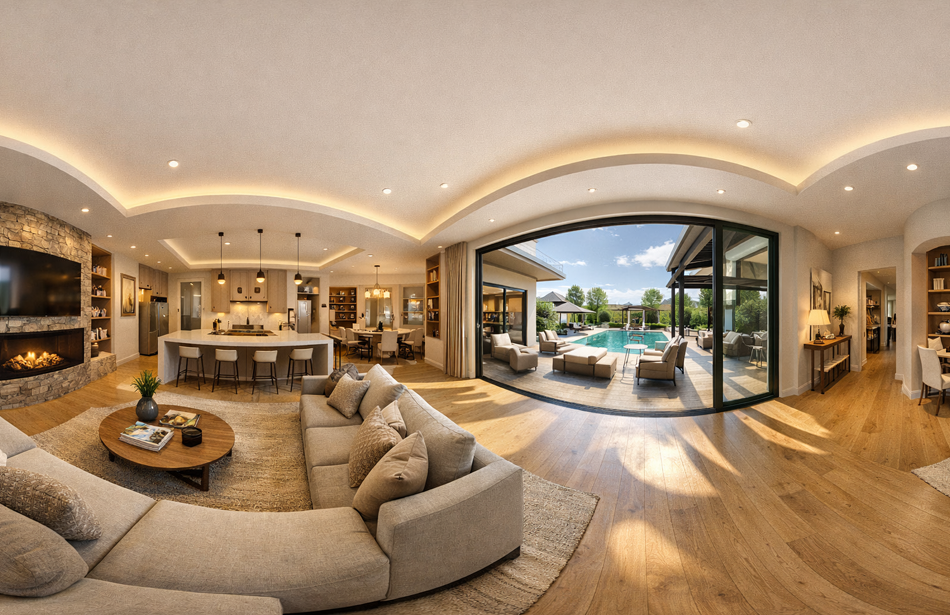

The Role of 360° Panorama Visualization
Traditional renderings provide detailed views from selected camera positions. A panoramic environment expands this experience by allowing the viewer to explore the surrounding space interactively.
A 360° presentation can communicate:
- Interior layout
- Furniture placement
- Architectural elements
- Materials and textures
- Lighting conditions
- Color combinations
- Spatial relationships
- Exterior and landscape features
This makes the design easier to understand as a complete environment rather than as a collection of separate images.
Equirectangular Panorama Format
Professional 360° visualization commonly uses an equirectangular image format. This format represents a complete spherical environment within a rectangular image.
A standard equirectangular panorama uses a 2:1 aspect ratio, with common resolutions including:
- 4000 × 2000 pixels
- 6000 × 3000 pixels
- 8000 × 4000 pixels
Higher resolutions provide additional detail and can improve the experience when viewers zoom into materials, furniture, architectural elements, and decorative features.
Interior 360° Visualization
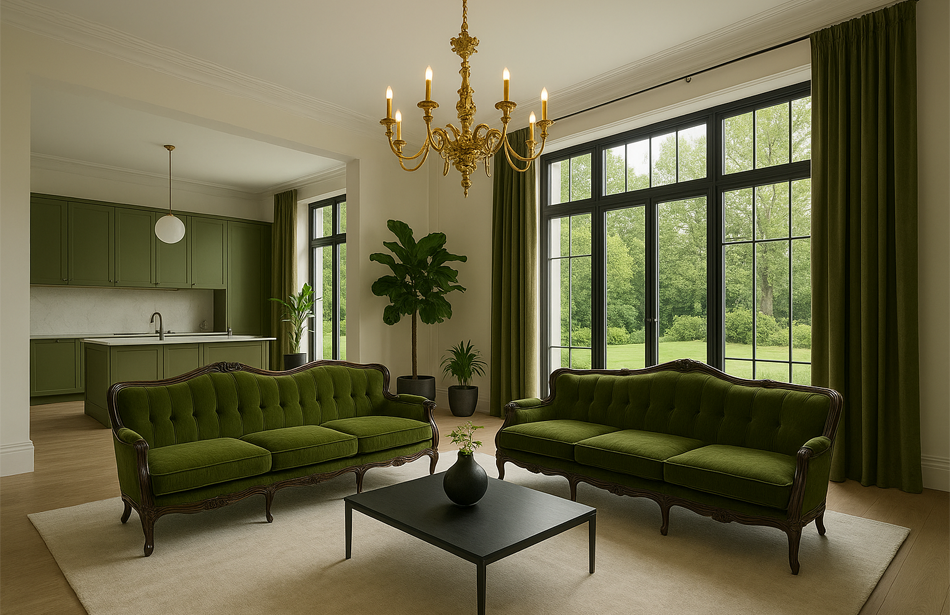
Interior spaces are particularly suitable for panoramic presentation because viewers can explore the environment from a fixed camera position.
Applications include:
- Living rooms
- Kitchens
- Bedrooms
- Bathrooms
- Home offices
- Restaurants
- Hotels
- Showrooms
- Commercial interiors
Furniture, flooring, wall finishes, lighting fixtures, windows, artwork, and decorative elements can all be presented within the same interactive environment.
Exterior and Architectural Panoramas
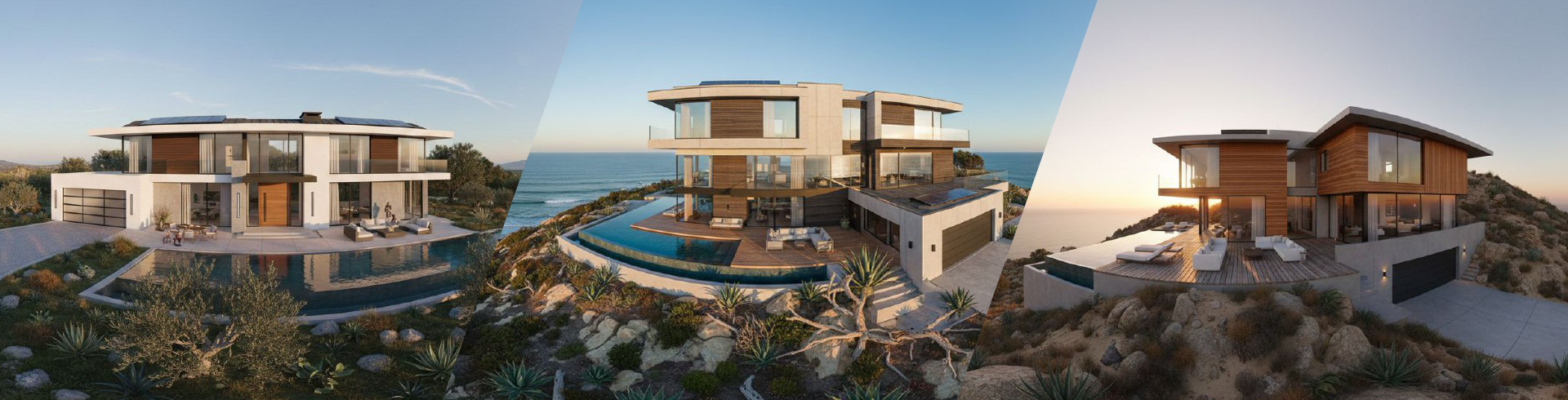
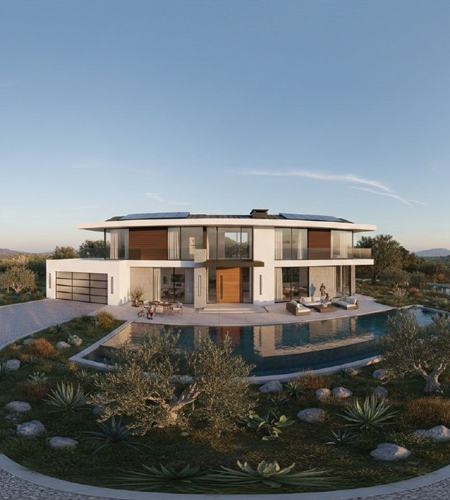
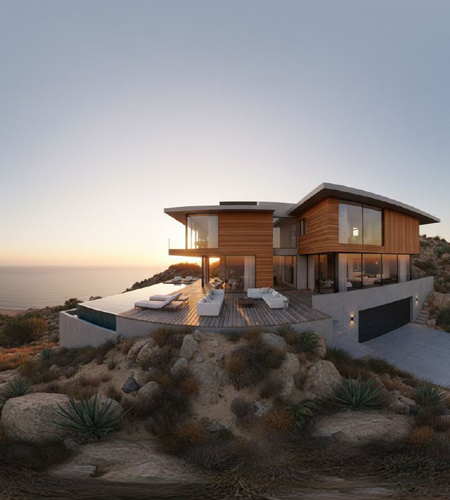
360° visualization can also present exterior architecture and surrounding landscapes.
Possible applications include:
- Residential properties
- Building exteriors
- Gardens
- Patios
- Pools
- Terraces
- Commercial properties
- Architectural developments
- Landscape concepts
Exterior panoramas help communicate the relationship between buildings, outdoor areas, landscaping, materials, and surrounding spaces.
Materials and Textures
Realistic materials are essential for a high-quality panoramic experience because viewers can inspect different parts of the environment from multiple directions.
Common materials include:
- Wood
- Marble
- Natural stone
- Concrete
- Ceramic and porcelain
- Glass
- Metal
- Fabric
- Leather
- Paint
- Wallpaper
- Flooring materials
Texture scale, surface detail, reflectivity, roughness, and finish should remain consistent throughout the entire environment.
Lighting and Atmosphere
Lighting has a major impact on the realism and atmosphere of a 360° environment.
A panoramic scene can include:
- Natural daylight
- Warm interior lighting
- Neutral lighting
- Ambient illumination
- Task lighting
- Accent lighting
- Architectural lighting
- Evening environments
Consistent lighting across the complete environment helps maintain visual realism and prevents noticeable differences between different areas of the panorama.
Interactive 360° Experiences
One of the main advantages of panoramic visualization is the interactive nature of the experience.
Depending on the implementation, a 360° viewer can include:
- Interactive navigation
- Full-screen viewing
- Multiple panorama locations
- Room-to-room navigation
- Interactive hotspots
- Information markers
- Floor-plan navigation
- Product or design references
These features can turn a simple visual presentation into a more engaging digital property experience.
360° Visualization for Interior Design
Interior designers can use panoramic presentations to communicate complete design concepts more effectively.
Instead of presenting separate images for individual rooms, an interactive environment can provide a stronger understanding of the overall design direction.
Applications include:
- Design presentations
- Client approvals
- Furniture planning
- Material selection
- Lighting evaluation
- Style presentation
- Interior remodeling concepts
The viewer can examine the relationship between furniture, materials, colors, lighting, and architectural features from a single environment.
360° Panorama for Real Estate Marketing
Real estate professionals can use interactive panoramas to present properties in a more immersive format.
360° visualization can support:
- Property listings
- Luxury home marketing
- Apartment presentations
- Rental properties
- New developments
- Commercial properties
- Remote property presentations
- Digital advertising
For properties that are empty, unfinished, or still under development, panoramic visualization can also demonstrate the intended appearance and potential of the space.
Panorama Visualization for Remodeling Projects
360° visualization can help homeowners understand proposed remodeling concepts before physical work begins.
A panoramic environment can demonstrate changes to:
- Flooring
- Walls
- Ceilings
- Cabinets
- Furniture
- Lighting
- Materials
- Decorative elements
- Kitchen layouts
- Bathroom designs
This provides a more complete representation of the proposed environment than viewing individual design images.
Camera Position and Spatial Accuracy
Camera placement is one of the most important technical considerations in panoramic visualization.
The camera should be positioned carefully to maintain a natural viewing height and an accurate relationship between the viewer and surrounding objects.
Important considerations include:
- Camera height
- Room dimensions
- Furniture proportions
- Distance from walls
- Door and window locations
- Viewing direction
- Architectural geometry
Incorrect camera positioning can make rooms appear distorted or create unrealistic spatial relationships.
Common 360° Panorama Mistakes
Several technical and visual issues can reduce the quality of a panoramic presentation.
Common problems include:
- Low-resolution output
- Incorrect camera placement
- Distorted architectural elements
- Visible stitching problems
- Incorrect perspective
- Inconsistent lighting
- Poor material quality
- Incorrect image proportions
- Excessive reflections
- Unrealistic furniture scale
Professional preparation and rendering help maintain consistency throughout the complete spherical environment.
Choosing the Right Panorama Resolution
Resolution should be selected according to the intended application.
A moderate resolution can be suitable for basic web presentation, while higher resolutions are more appropriate for detailed interactive experiences.
A 6000 × 3000 pixel equirectangular image provides a strong balance between image quality and web performance for many professional applications. Larger resolutions can be used when additional detail and viewing quality are required.
Panorama Rendering for Property Presentations
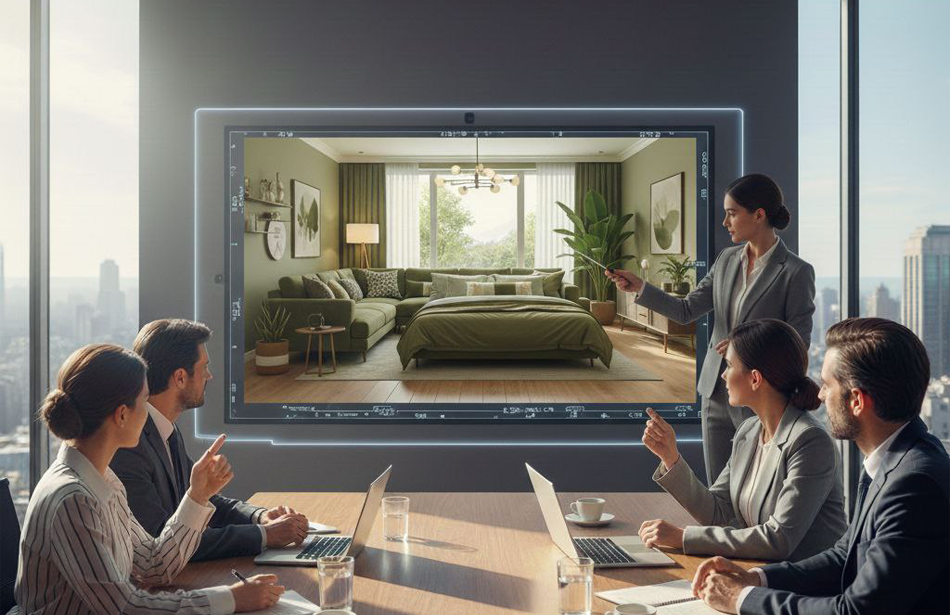
Architects, designers, developers, and real estate professionals can use panoramic visualization to present projects before the physical environment is complete.
It can communicate:
- Interior concepts
- Exterior architecture
- Furniture arrangements
- Material combinations
- Lighting design
- Landscape concepts
- Property atmosphere
- Overall spatial experience
This makes 360° visualization a valuable presentation tool for both finished and proposed properties.
Panorama Rendering with Renderly Design
Renderly Design creates realistic panoramic environments for interior, exterior, remodeling, architectural, and property visualization projects.
Useful project information may include:
- Property photographs
- Floor plans
- Room measurements
- Architectural drawings
- Furniture references
- Material selections
- Lighting preferences
- Color palettes
- Interior style
- Exterior and landscape information
The final panorama is designed to provide an immersive representation of the proposed environment and help clients experience the space from within the design.
Final Thoughts
Panorama Rendering 360° provides a more immersive alternative to traditional static visualization. By allowing viewers to explore an environment in every direction, it communicates spatial relationships, materials, furniture, lighting, and architectural details in a more interactive format.
For homeowners, designers, architects, developers, and real estate professionals, panoramic visualization can improve design presentations, support decision-making, and provide a clearer understanding of a space before construction, renovation, or furnishing takes place.
Frequently Asked Questions
Find answers to the most common questions about this topic.