Blog Details
Virtual Staging: A Practical Guide to Digital Property Styling
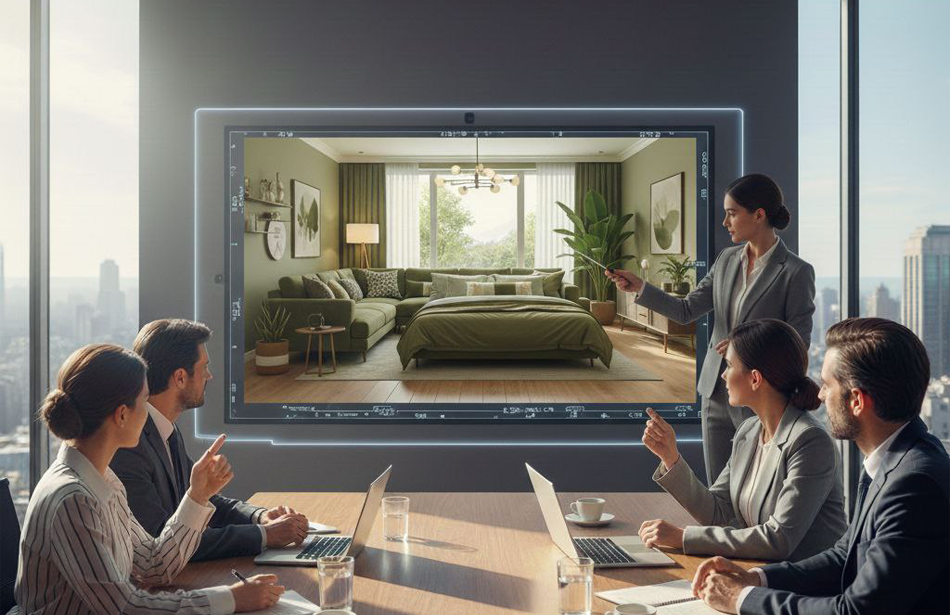
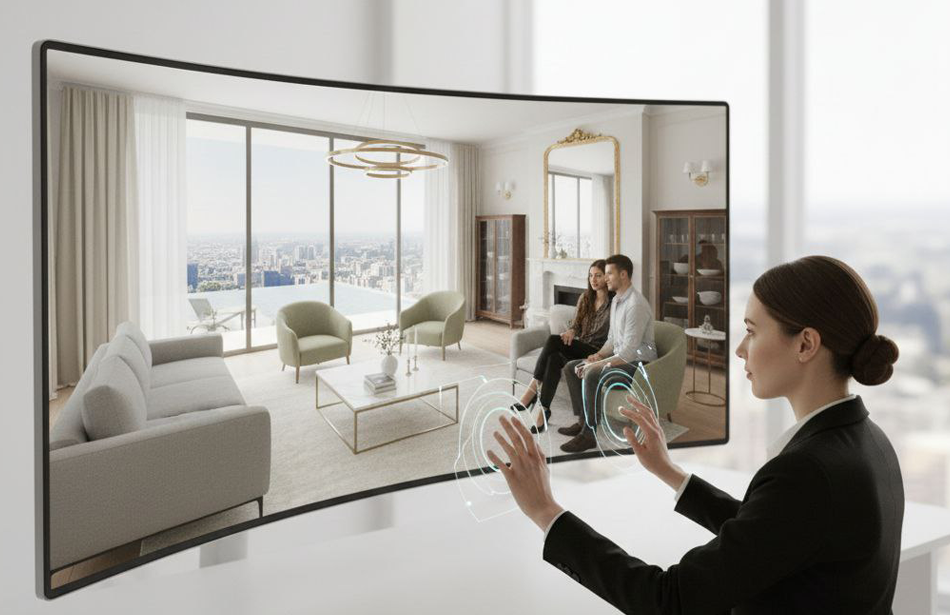
Virtual staging is a powerful way to transform empty or outdated property images into realistic, professionally furnished spaces. Instead of physically moving furniture, decorations, and accessories into a property, digital staging adds these elements to photographs or creates realistic visual presentations of how the space could look when furnished.
This approach is especially useful for real estate marketing, property listings, home sales, rental properties, and renovation presentations.

The Role of Virtual Staging in Real Estate
Empty rooms can make it difficult for potential buyers or renters to understand the size, layout, and potential of a property.
Virtual staging helps communicate:
- Furniture placement
- Room proportions
- Interior style
- Color combinations
- Functional areas
- Lighting and atmosphere
- Overall property potential
A professionally staged image can make an empty property easier to understand and more visually appealing.
Digital Furniture and Interior Styling
One of the main advantages of virtual staging is the ability to add realistic furniture without physically furnishing the property.
Depending on the property and target audience, a room can be styled with:
- Sofas and armchairs
- Beds and nightstands
- Dining tables and chairs
- Coffee tables
- Rugs
- Curtains
- Lighting fixtures
- Artwork
- Plants
- Decorative accessories
Furniture should be selected according to the room's dimensions, architectural style, and intended function.
Choosing the Right Interior Style
The visual style used in a staged property can strongly influence how potential buyers perceive it.
Common staging styles include:
Modern
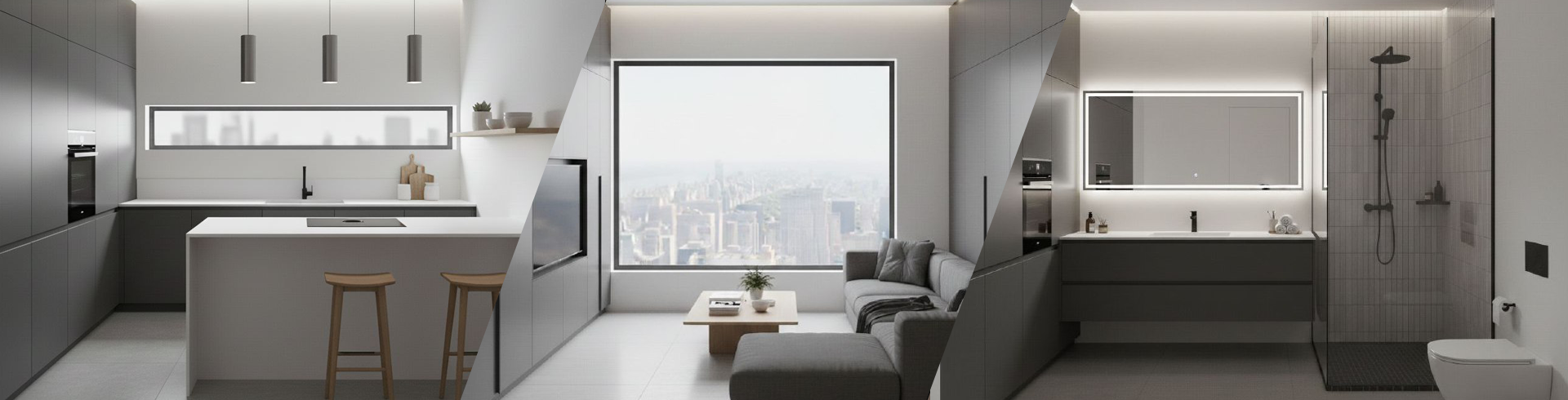
Modern staging often uses clean lines, neutral colors, simple furniture, and carefully selected decorative elements.
Contemporary
Contemporary interiors combine current design trends with balanced materials, comfortable furniture, and sophisticated color palettes.
Minimalist
Minimalist staging focuses on simplicity, open space, functional furniture, and limited decoration.
Scandinavian
Scandinavian styling typically uses light colors, natural materials, simple furniture, and a bright, comfortable atmosphere.
Luxury
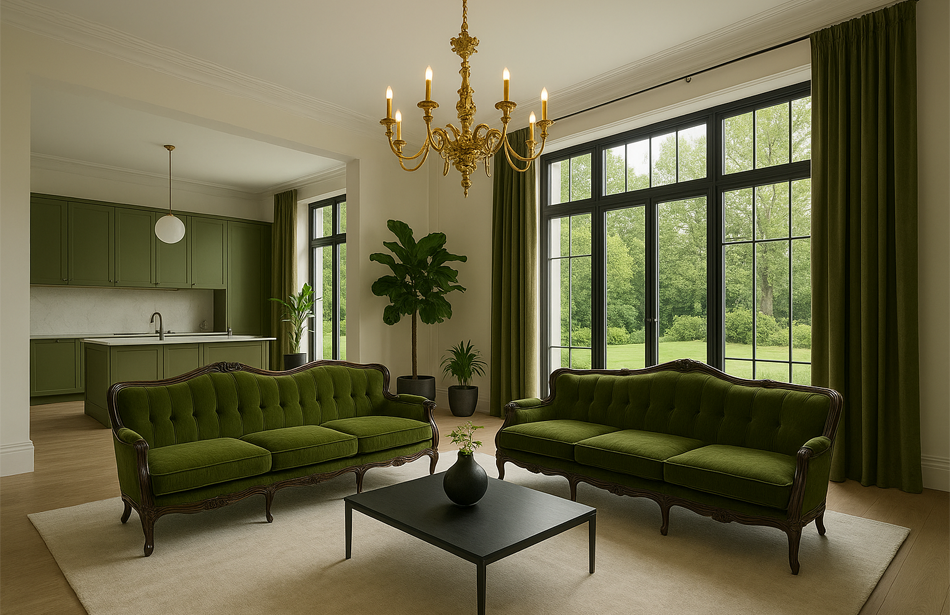
Luxury staging can incorporate elegant furniture, premium materials, sophisticated lighting, and carefully selected decorative details.
The appropriate style should support the property's architecture rather than overpower it.
Virtual Staging for Empty Properties
Empty properties are one of the most common applications of digital staging.
Without furniture, it can be difficult to understand:
- The actual scale of a room
- Appropriate furniture placement
- How much usable space is available
- How different areas can be used
- How the property might feel when occupied
Virtual staging provides a visual reference that helps potential buyers imagine the finished living environment.
Virtual Staging for Outdated Interiors
Digital staging can also help present older or visually outdated properties in a more attractive way.
Furniture, colors, lighting, and decorative elements can be digitally redesigned while maintaining the existing architectural structure.
This can help communicate the property's potential without physically renovating it before marketing.
Staging Different Areas of a Home
Each room requires a different approach.
Living Room
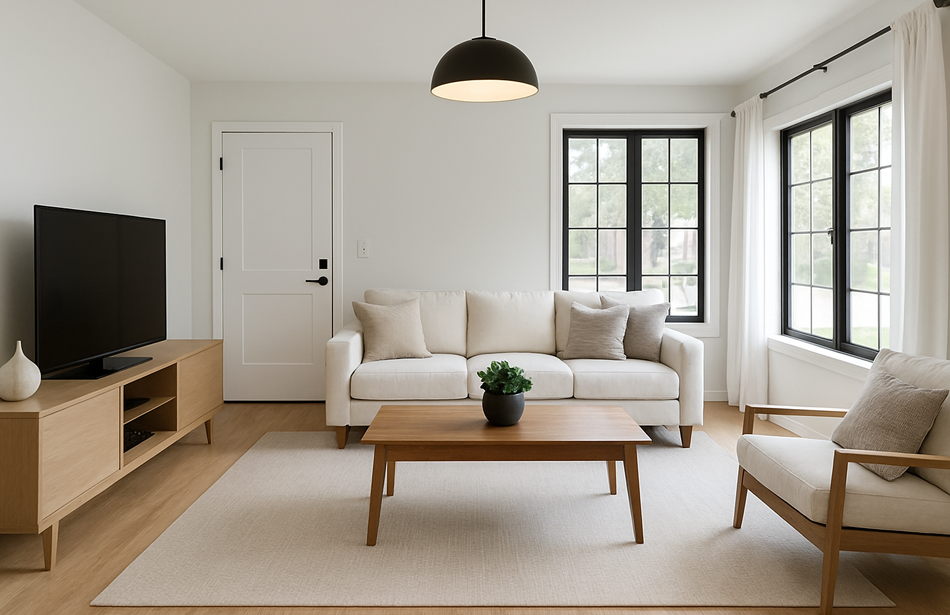
A staged living room can include a sofa, coffee table, rug, lighting, artwork, and decorative accessories to demonstrate a comfortable seating and entertainment area.
Bedroom
Bedrooms can be presented with beds, nightstands, lamps, textiles, artwork, and coordinated colors.
Dining Area
Dining furniture can help define the dining zone and demonstrate how much space is available for everyday use or entertaining.
Kitchen
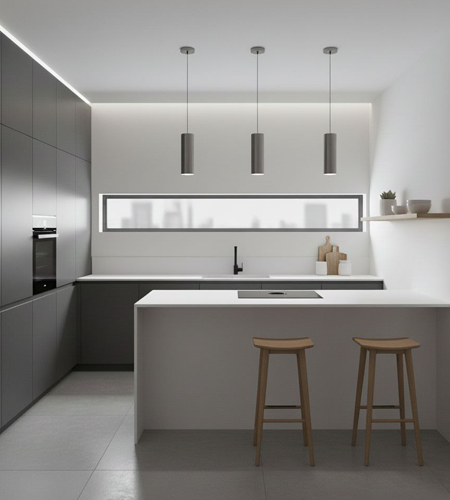
Kitchen staging can include stools, decorative objects, lighting, plants, and carefully selected accessories while keeping the existing kitchen structure visible.
Home Office
A digitally staged office can demonstrate how an unused room or corner could function as a productive workspace.
Furniture Scale and Spatial Accuracy
Realistic staging depends heavily on correct proportions.
Furniture that is too large can make a room appear smaller, while furniture that is too small can make the space feel unusually large and unrealistic.
Effective staging considers:
- Room dimensions
- Ceiling height
- Door and window locations
- Existing architectural elements
- Furniture proportions
- Walking paths
- Functional zones
Accurate spatial relationships make the final visualization much more believable.
Lighting and Atmosphere
Lighting plays an important role in realistic property presentation.
Virtual staging can work with the existing photographic lighting or create a more balanced visual atmosphere.
Important elements include:
- Natural daylight
- Interior lighting
- Warm and neutral light
- Shadows
- Reflections
- Highlight areas
- Window brightness
Consistent lighting between the original property image and digitally added elements is essential for realistic results.
Virtual Staging for Property Marketing
Real estate professionals can use staged images across different marketing channels, including:
- Property listing websites
- Real estate websites
- Social media
- Digital advertisements
- Property brochures
- Presentation materials
- Email marketing
Well-designed visuals can help a property stand out from listings that rely only on empty or poorly presented photographs.
Virtual Staging vs. Physical Staging
Physical staging requires furniture transportation, installation, storage, setup, and removal.
Virtual staging provides a digital alternative that can be significantly more flexible.
It allows different interior styles or furniture arrangements to be presented without changing the physical property.
For example, the same room can be visualized as:
- A modern living room
- A minimalist interior
- A luxury space
- A Scandinavian-style room
This flexibility is particularly useful when testing different presentation concepts.
Common Virtual Staging Mistakes
Poorly executed staging can reduce credibility rather than improve a property listing.
Common problems include:
- Incorrect furniture proportions
- Unrealistic shadows
- Inconsistent lighting
- Excessive decoration
- Poor perspective matching
- Furniture covering important architectural features
- Using a style that does not suit the property
- Over-editing the original photograph
The goal should be realistic enhancement rather than making the property look artificial.
Virtual Staging for Real Estate Professionals
Real estate agents and property marketing teams can use digital staging to create more compelling presentations for vacant properties.
It can also support:
- Property launches
- New developments
- Rental listings
- Investment properties
- Renovation concepts
- Before-and-after presentations
- Property sales campaigns
For developers and property owners, staged visuals can communicate the potential of unfinished spaces before they are physically furnished.
Virtual Staging with Renderly Design
Renderly Design creates realistic digitally staged property visuals using existing photographs and project information.
Depending on the project, useful materials may include:
- Property photographs
- Room measurements
- Floor plans
- Existing furniture
- Desired furniture
- Preferred interior style
- Color preferences
- Material references
- Target property audience
The result is a realistic presentation designed to communicate how the space could look when furnished and styled.
Final Thoughts
Virtual staging provides an efficient way to present empty, outdated, or unfinished properties with realistic furniture and interior styling.
By combining accurate proportions, appropriate furniture, balanced materials, realistic lighting, and a suitable design style, digital staging can make property presentations clearer and more engaging.
For homeowners, real estate professionals, developers, and property marketers, it offers a flexible way to communicate the potential of a space before physical furnishing or renovation takes place.
Visualize the potential of your property before you stage it physically.
Frequently Asked Questions
Find answers to the most common questions about this topic.