Blog Details
Style & Theme Selection Guide: Choosing the Right Interior Design Style
Choosing an interior design style creates the visual foundation for a home. Furniture, colors, materials, lighting, architectural details, and decorative elements should work together to create a consistent and comfortable environment.
A clear style direction also makes the design process more organized. Instead of selecting individual products without a connection, homeowners can develop a cohesive concept based on a specific aesthetic, lifestyle, and property characteristics.


The Role of Style in Interior Design
Interior style influences the overall appearance and atmosphere of a space. It affects decisions related to:
- Furniture
- Color palettes
- Flooring
- Wall finishes
- Lighting
- Fabrics
- Decorative elements
- Architectural details
- Materials and textures
A well-defined style provides a framework for making these decisions while maintaining visual consistency throughout the room.
Popular Interior Design Styles
Different design styles offer different combinations of materials, colors, proportions, and decorative elements.
Modern Interior Design
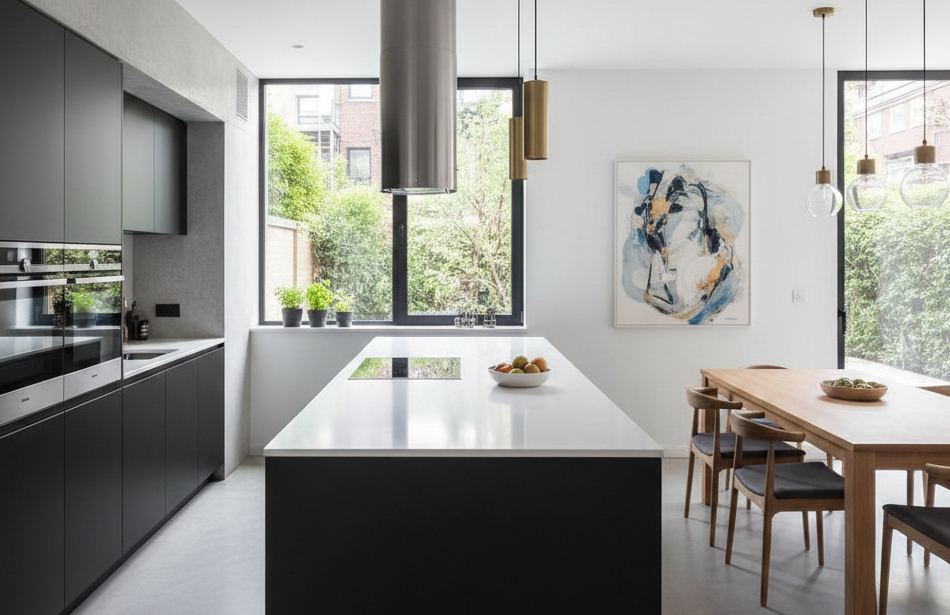
Modern interiors generally focus on clean lines, simple forms, functional furniture, and controlled decoration.
Common characteristics include:
- Neutral color palettes
- Simple furniture
- Clean architectural lines
- Glass and metal
- Minimal decoration
- Functional layouts
Contemporary Interior Design
Contemporary design combines current materials, refined forms, and flexible design elements.
It often includes:
- Neutral backgrounds
- Natural materials
- Modern lighting
- Soft textures
- Sculptural furniture
- Balanced decorative elements
Minimalist Interior Design
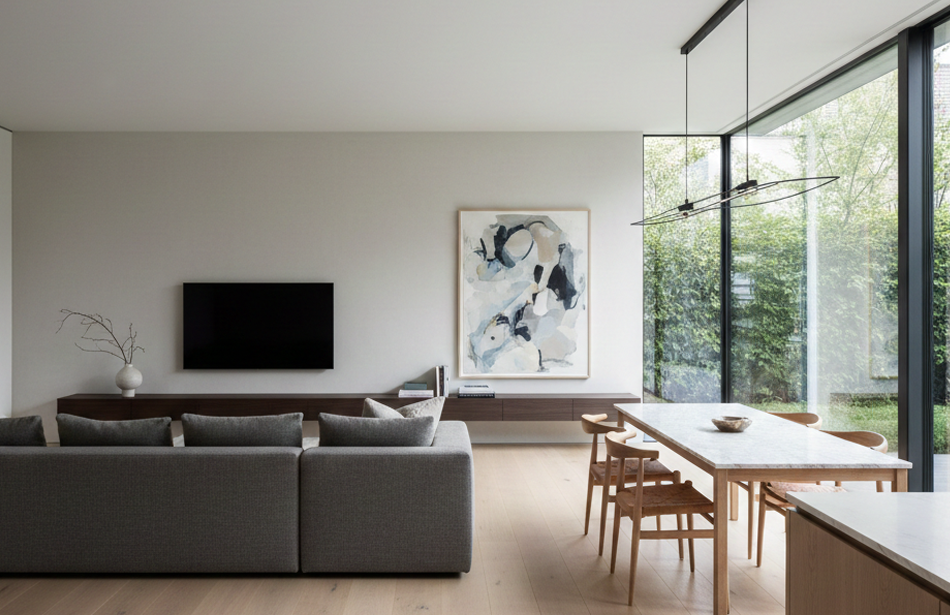
Minimalism emphasizes simplicity, functionality, and visual clarity.
Typical characteristics include:
- Limited color palettes
- Simple furniture
- Open spaces
- Minimal decoration
- Integrated storage
- Clean surfaces
Scandinavian Interior Design
Scandinavian interiors commonly combine functionality with warmth and natural materials.
Typical elements include:
- Light wood
- White and neutral colors
- Natural fabrics
- Simple furniture
- Soft lighting
- Functional layouts
Industrial Interior Design
Industrial style draws inspiration from warehouses, workshops, and urban architecture.
Common features include:
- Exposed materials
- Metal
- Concrete
- Brick
- Dark colors
- Open layouts
- Industrial lighting
Traditional Interior Design
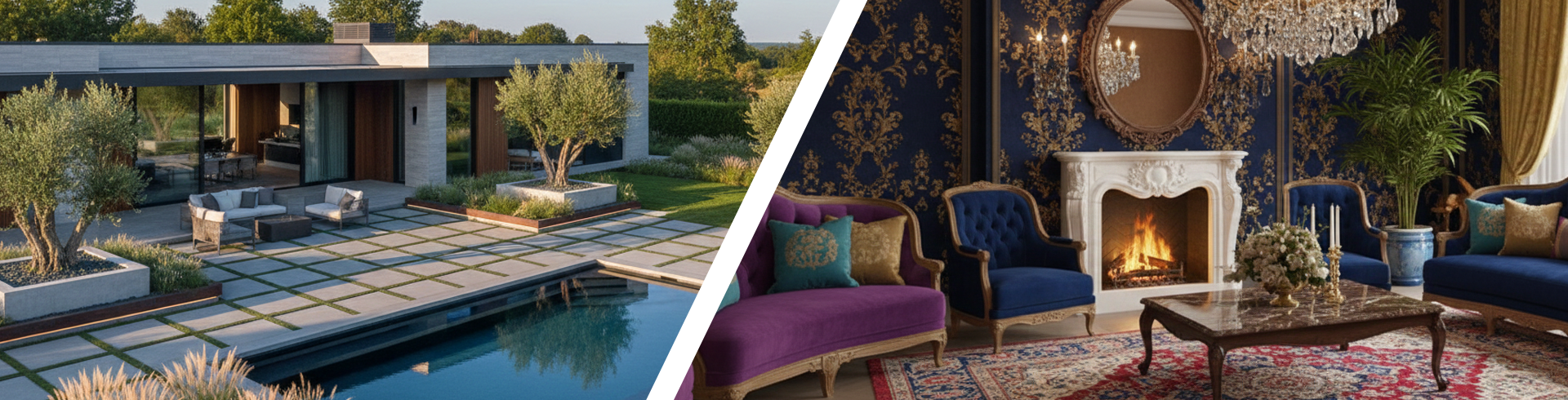
Traditional interiors often emphasize symmetry, classic furniture, detailed finishes, and timeless materials.
Common elements include:
- Wood furniture
- Classic patterns
- Decorative lighting
- Rich fabrics
- Architectural details
- Balanced layouts
Transitional Interior Design
Transitional design combines traditional elements with modern simplicity.
It provides a balanced approach using:
- Neutral colors
- Classic and contemporary furniture
- Natural materials
- Simple decorative details
- Refined lighting
Choosing a Style Based on the Space
The architectural characteristics of a property should influence the selected design direction.
Important factors include:
- Room size
- Ceiling height
- Natural light
- Window placement
- Existing flooring
- Architectural details
- Layout
- Exterior architecture
A design style should support the existing characteristics of the property rather than forcing unrelated elements into the space.
Choosing a Color Palette
Color is one of the strongest elements in defining an interior style.
A practical color palette can include:
- A dominant background color
- Secondary colors
- Accent colors
- Natural tones
- Material-based colors
Neutral colors can provide flexibility, while carefully selected accent colors can add personality and visual interest.
Color should also be evaluated under the actual lighting conditions of the room because natural and artificial light can change how colors appear.
Coordinating Materials and Textures
A successful interior does not rely only on matching colors. Materials and textures create depth and visual interest.
A cohesive design can combine:
- Wood
- Stone
- Metal
- Glass
- Fabric
- Leather
- Ceramic
- Natural fibers
For example, a modern interior can combine smooth surfaces with textured fabrics and natural wood to prevent the space from feeling visually flat.
Furniture and Style Consistency
Furniture should support the selected design direction in terms of:
- Shape
- Scale
- Color
- Material
- Proportion
- Function
Large furniture can overwhelm a small room, while furniture that is too small can make a large room feel disconnected.
Maintaining consistent proportions is just as important as matching colors and materials.
Lighting and Interior Style
Lighting plays an important role in expressing an interior style.
Different styles may benefit from different lighting approaches:
- Minimalist spaces often use discreet and integrated lighting.
- Industrial interiors can use exposed or architectural fixtures.
- Traditional interiors can incorporate decorative chandeliers and wall lighting.
- Contemporary spaces can combine architectural and accent lighting.
A successful lighting plan should support both the function and visual identity of the room.
Creating a Cohesive Style Across the Home
Using a completely different style in every room can make a home feel disconnected.
A better approach is to establish a consistent design language throughout the property while allowing individual rooms to have their own character.
Consistency can be created through:
- Repeated colors
- Similar materials
- Coordinated flooring
- Consistent hardware
- Related lighting finishes
- Complementary furniture styles
This creates visual continuity from one space to another.
Common Style Selection Mistakes
Mixing Too Many Styles
Combining unrelated styles without a clear design strategy can create visual confusion.
Following Trends Too Closely
Highly specific trends can become outdated quickly. Timeless foundations with carefully selected contemporary elements often provide greater flexibility.
Ignoring Lifestyle
A beautiful style should also support daily activities, maintenance requirements, storage needs, and comfort.
Ignoring Existing Elements
Existing flooring, windows, doors, architectural details, and furniture can influence the appropriate design direction.
Choosing Colors Without Considering Lighting
A color that looks attractive in a showroom can appear completely different under the lighting conditions of a home.
Using 3D Visualization for Style Selection
3D visualization provides a practical way to evaluate different design directions before making major purchases or remodeling decisions.
A room can be developed in several styles using the same architectural layout.
For example, the same space can be visualized as:
- Modern
- Minimalist
- Scandinavian
- Industrial
- Contemporary
- Transitional
This makes differences in furniture, materials, colors, lighting, and decoration easier to evaluate.
It also helps establish a clear visual direction before purchasing furniture or beginning a remodeling project.
Style Selection with Renderly Design
Renderly Design can develop realistic interior concepts based on:
- Room photographs
- Measurements
- Floor plans
- Existing furniture
- Preferred colors
- Material references
- Lifestyle requirements
- Design preferences
Different style directions can be developed around the existing architecture and available space.
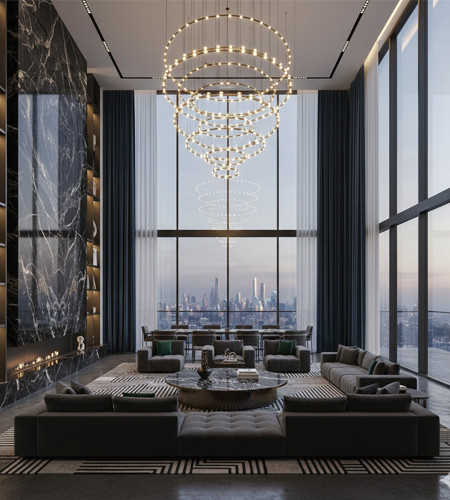
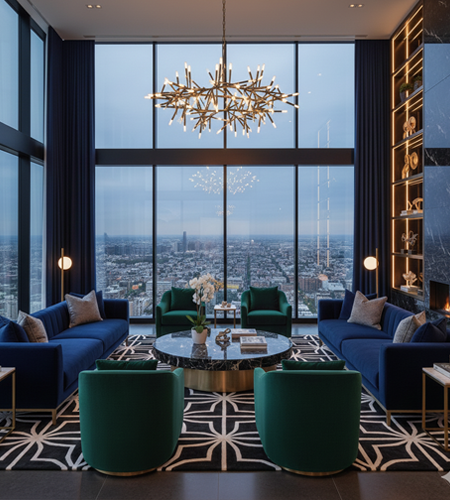
The final visualization brings furniture, materials, colors, textures, lighting, and decorative elements together into one cohesive environment.
Final Thoughts
Choosing an interior design style is an important step in creating a cohesive home. The best results come from balancing visual preferences with architecture, functionality, lifestyle, materials, lighting, and spatial proportions.
A clear style direction simplifies later decisions and reduces the risk of creating disconnected spaces.
3D visualization adds another level of clarity by showing how the selected style can look within the actual property before major design or purchasing decisions are made.
Frequently Asked Questions
Find answers to the most common questions about this topic.